







Reducing Waste with Optimized Ink Transfer in Stack Type Flexo Printers


Understanding Waste Reduction in Flexo Printing
In the fast-paced world of paper bag manufacturing, reducing waste is crucial for operational efficiency and sustainability. Flexographic printing is known for its versatility, but it can also generate excess ink and material waste if not optimized properly. By focusing on enhanced ink transfer methods within stack type flexo printers, companies can significantly reduce their waste footprint while maintaining high-quality production standards.
Optimized ink transfer helps to ensure that only the necessary amount of ink is applied to the substrate, minimizing over-application that leads to waste. As a result, manufacturers can achieve better color accuracy and consistency, which not only improves the final product quality but also helps in conserving resources.
Benefits of Optimized Ink Transfer
Implementing optimized ink transfer techniques offers numerous advantages for paper bag manufacturers. First and foremost, it can lead to significant cost savings. By using less ink without sacrificing quality, companies can reduce their ink expenditures, thus allocating funds to other aspects of production or innovation.
Moreover, this approach supports business sustainability initiatives. As consumers and brands increasingly prioritize eco-friendly practices, companies that adopt waste-reducing technologies can bolster their market position and enhance their reputation. Not only does optimized ink transfer help in creating a more sustainable product, but it also aligns with the growing trend towards responsible manufacturing.
Technologies Enhancing Ink Transfer Efficiency
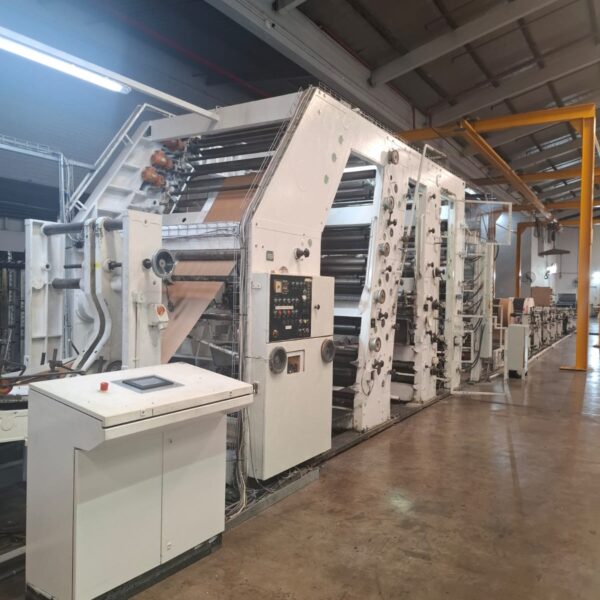
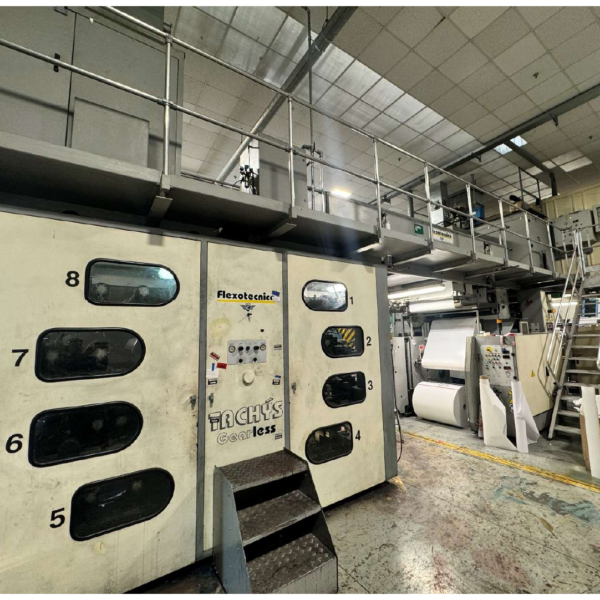
Stack type flexo printers can benefit from various technologies designed to optimize ink transfer and reduce waste. One such technology is the use of advanced anilox rollers, which feature precise engraving to control the amount of ink delivered to the substrate. By choosing the right anilox roller, manufacturers can match their ink viscosity and print requirements more effectively, leading to improved transfer efficiency.
Another valuable advancement is the integration of digital technology in the flexo printing process. Digital ink management systems can monitor and regulate ink flow in real-time, adjusting the output based on the substrate and design specifications. This not only reduces waste but also speeds up changeovers and minimizes downtime, contributing to a more streamlined manufacturing process.
The Future of Waste Reduction in Paper Bag Manufacturing
As the industry evolves, the focus on reducing waste through optimized ink transfer will become even more essential. With increasing regulations and consumer expectations around sustainability, companies adopting these innovations will be better positioned to thrive. By investing in state-of-the-art equipment and technologies and committing to continual improvement, manufacturers can lead the way in sustainable paper bag production.
In conclusion, optimized ink transfer in stack type flexo printers presents a compelling opportunity for paper bag manufacturers to reduce waste, lower costs, and improve product quality. The combination of technology and innovation can propel businesses forward in a competitive market while contributing positively to environmental goals.
For any questions about the machines we have, their availability, or pricing, please contact CBS Company.