















Ink Viscosity Control: The Secret to Flawless Central Drum Printing


“`html
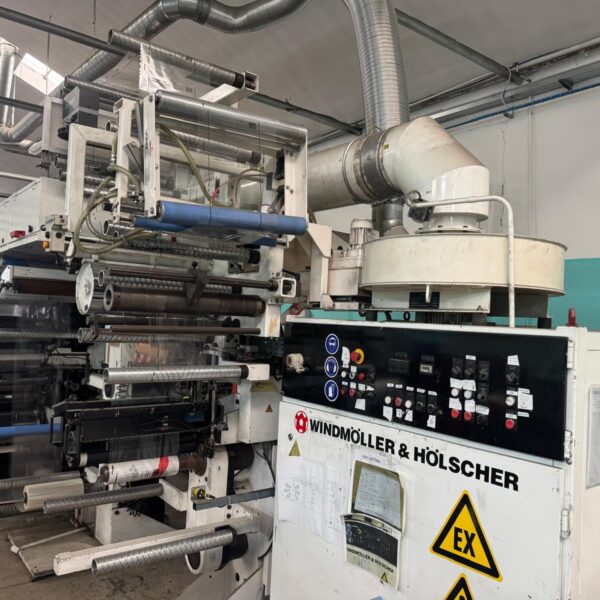
Understanding Ink Viscosity in Central Drum Printing
Ink viscosity is a crucial factor in achieving high-quality prints in central drum printing, especially for the paper bag manufacturing industry. Viscosity refers to the thickness and flow of ink, which directly affects how it transfers onto the substrate. If the viscosity is too high, the ink may not spread evenly, causing inconsistencies in color and coverage. Conversely, if the viscosity is too low, it can lead to ink bleeding or smudging, undermining the quality of the final product.
For paper bag manufacturers, controlling ink viscosity is essential not only for aesthetic appeal but also for brand representation. Setting the right viscosity ensures that prints are crisp, colors are vibrant, and the final products meet industry standards. Thus, understanding and managing ink viscosity is an investment in quality that can differentiate your paper bags in a competitive market.
The Impact of Viscosity on Production Efficiency
Maintaining optimal ink viscosity can significantly enhance production efficiency in the central drum printing process. When ink is appropriately formulated for viscosity, printers operate more smoothly, reducing downtime due to clogs or inconsistencies. This streamlined production process translates to faster turnaround times, allowing manufacturers to meet order deadlines without compromising quality.
Additionally, effective viscosity control minimizes waste by ensuring that excess ink does not get wasted during the printing process. This not only maximizes material usage but also reduces costs associated with ink consumption, making your operations more sustainable and environmentally friendly. Overall, careful attention to ink viscosity can lead to both cost savings and improved product quality.
Best Practices for Ink Viscosity Control
Implementing best practices for managing ink viscosity is key to achieving flawless prints in your central drum printing operations. Firstly, regularly calibrating and maintaining your printing equipment ensures accurate ink application. Using viscometers can help measure and monitor viscosity levels accurately, so adjustments can be made promptly to achieve optimal results.
Additionally, consider investing in high-quality inks formulated for the specific conditions of your printing environment. Different substrates and printing speeds can necessitate variations in ink formulation, so consulting with your ink supplier for tailored solutions can enhance your overall printing performance. Remember, effective training for your operators on viscosity control methods will empower them to spot potential issues early, leading to ongoing quality improvements.
Conclusion
Ink viscosity control is indeed a secret ingredient to achieving impeccable central drum printing results. By prioritizing viscosity management, paper bag manufacturers can significantly enhance print quality, improve production efficiency, and ultimately boost customer satisfaction. If you’re looking for advanced printing solutions, please contact CBS Company for any questions about the machines we have, their availability, and pricing.
“`