







Noise Reduction Techniques for Industrial Sack Line Environments


Understanding Noise Pollution in Industrial Sack Line Environments
Noise pollution in industrial environments, especially in sack line operations, poses significant challenges that can affect both worker safety and product quality. High decibel levels can lead to decreased productivity, increased risk of accidents, and long-term health issues for employees. In the paper bag manufacturing industry, where machines operate continuously, effectively managing noise is crucial not just for compliance with occupational health standards, but also for fostering a better work atmosphere.
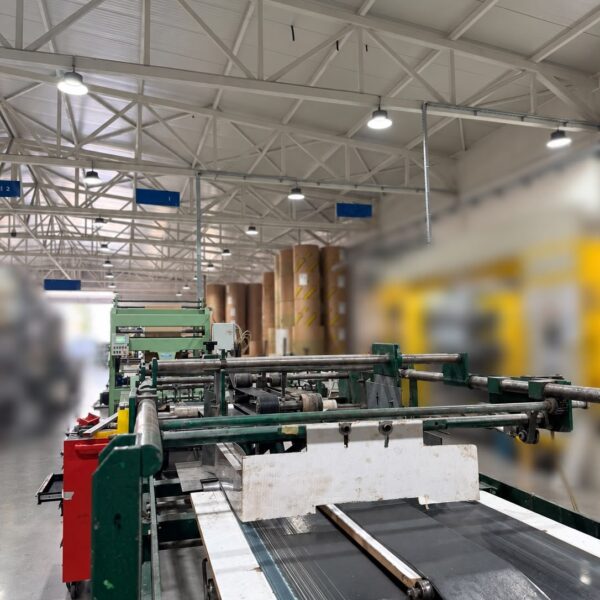
The noise generated by machinery, conveyor belts, and packaging operations can reach disruptive levels. To mitigate these effects, manufacturers must invest in noise reduction techniques tailored to the unique requirements of their facilities. A systematic approach to noise management not only enhances working conditions but can also result in cost savings and improved operational efficiency.
Implementing Machine Upgrades and Innovations
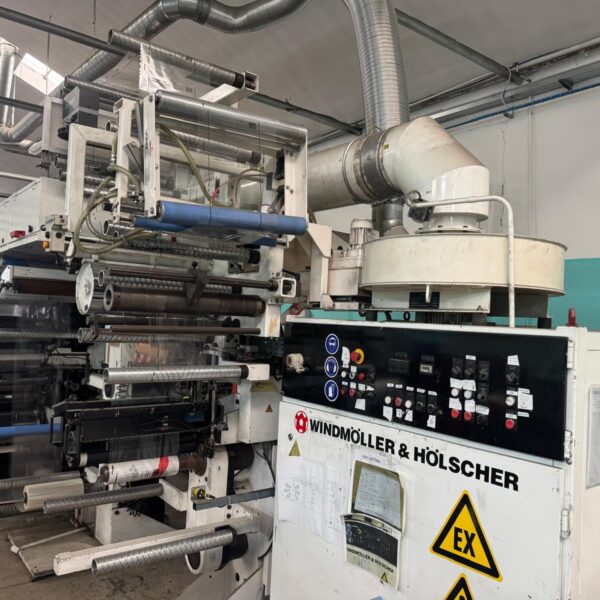
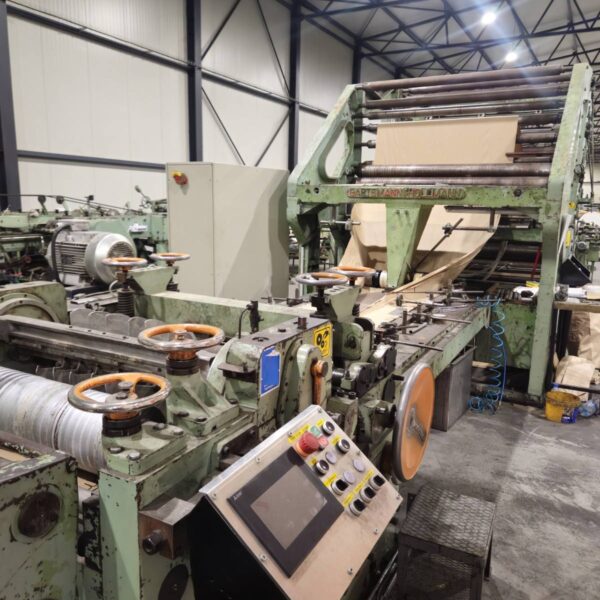
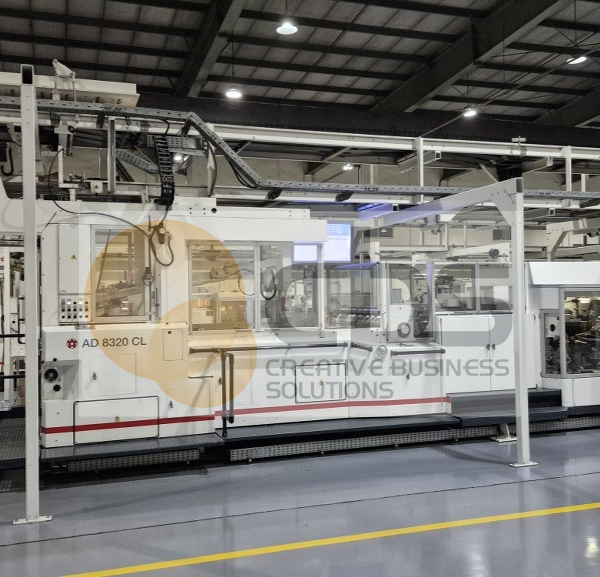
One of the most effective ways to reduce noise in industrial sack lines is through the implementation of modern machine technology. Newer models of paper bag machines are designed with noise-reduction features such as sound-insulating enclosures, vibration dampening materials, and quieter motors. By upgrading to state-of-the-art equipment, manufacturers can significantly minimize noise levels and improve energy efficiency.
In addition, regular maintenance and timely repairs of existing machinery ensure that all components are operating at optimal performance. Worn belts, loose parts, and out-of-balance machinery can contribute to excess noise, making routine inspections and maintenance essential in noise management efforts.
Employing Acoustic Treatments in the Workspace
Acoustic treatments are an essential noise reduction strategy that involves modifying the workspace environment to absorb sound and minimize noise transmission. This can include installing sound-absorbing panels, carpets, and ceiling tiles, which can drastically reduce ambient noise levels in a manufacturing facility.
Additionally, strategically placing barriers and shields around loud equipment can also help contain sound within specific areas. These solutions not only create a more pleasant environment but contribute to compliance with occupational safety regulations, ensuring a healthier workspace for employees.
Implementing Workplace Best Practices
Alongside technological upgrades and physical modifications, workplace practices must also play an integral role in noise reduction. Training employees on the importance of noise management and promoting best practices can contribute to a more conscious approach to minimizing sound levels. For example, encouraging workers to use machinery at optimal schedules can reduce peak noise levels and distribute workloads more evenly throughout shifts.
Establishing designated quiet areas or zones away from high-decibel operations provides employees with a space to respite and recuperate. A culture that prioritizes safety and health, including noise management, enhances overall employee morale and productivity, fostering a more efficient and satisfied workforce.
Conclusion: Your Partner in Paper Bag Manufacturing
Effective noise reduction in industrial sack line environments requires a multifaceted approach that encompasses machine upgrades, acoustic treatments, and workplace best practices. At CBS Company, we are committed to providing the best solutions for your paper bag manufacturing needs, whether through our new or used paper bag machines tailored to your operational requirements.
If you have any questions about the machines we offer, current availability, or pricing, please don’t hesitate to contact us.