






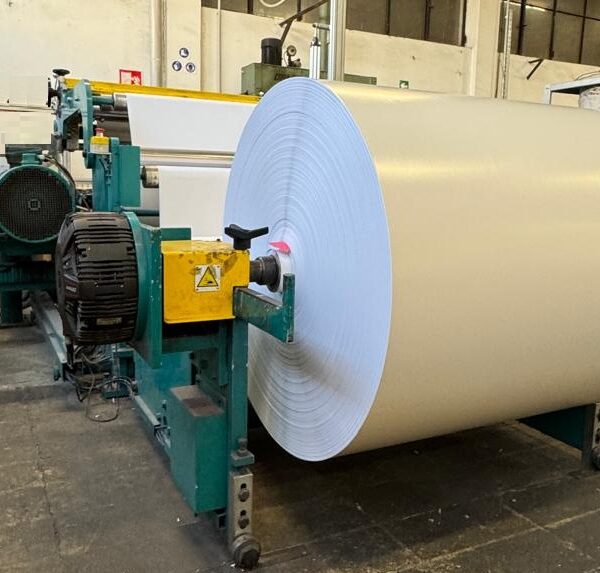





Material Compatibility Guide for Modern Laminators


Understanding Material Compatibility for Laminators
When it comes to laminating paper products, especially in the paper bag manufacturing industry, recognizing the importance of material compatibility is paramount. Laminators are designed to bond materials together, enhancing durability while also providing a polished finish. However, choosing inappropriate materials can lead to subpar results and wasted resources. In this comprehensive guide, we will explore the different materials typically used in laminating processes, focusing on their compatibility with modern laminators.
Types of Laminating Materials
In the realm of paper bags, the most commonly used laminating materials include polyethylene (PE) films, polypropylene (PP) films, and polyester (PET) films. Each of these materials offers unique benefits, but their compatibility with laminators can vary. For instance, PE films are highly versatile and work well with many paper types, making them a popular choice among manufacturers. On the other hand, PP films are known for their superior clarity and resistance to moisture, ideal for creating striking visual presentations in packaging. Understanding the specific properties of these materials will empower manufacturers to make informed decisions in their laminating processes.
Choosing the Right Laminator
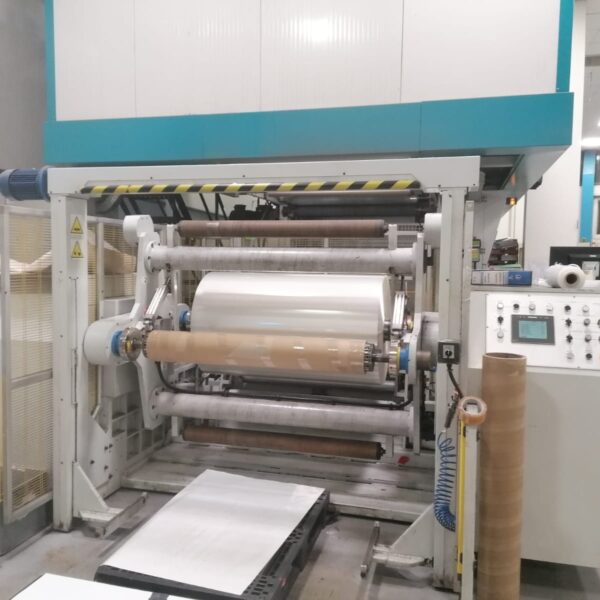
Selecting the appropriate laminator is crucial for achieving high-quality results. Modern laminators come equipped with advanced technology that can accommodate various film thicknesses and widths. For the paper bag industry, it is essential to choose a laminator that can handle the substrates you plan to use. Whether you opt for a cold or hot laminating method, ensure that your machine settings align with the chosen materials to prevent issues like bubbling, wrinkling, or improper adhesion.
Common Laminating Issues and Solutions
Despite best practices, manufacturers may encounter issues during the laminating process. Common problems include delamination, film tearing, and poor adhesion. Each of these issues can stem from incompatible materials or incorrect machine settings. To troubleshoot effectively, ensure that the temperature and pressure settings on the laminator are appropriate for the materials used. Additionally, conducting a test run with smaller batches can help identify potential concerns before full-scale production.
Future Trends in Laminating Technologies
As sustainability continues to be a focal point in the packaging industry, advancements in laminating technologies are emerging. Eco-friendly laminating materials are gaining traction, allowing manufacturers to explore biodegradable films and adhesives. These innovations not only meet consumer demands for sustainable products but can also enhance overall brand reputation. To stay ahead of the curve, it’s essential for manufacturers to be informed about the latest trends and technologies in the laminating space.
In conclusion, understanding material compatibility is vital for optimizing your laminating process in the paper bag manufacturing sector. If you have any questions about the machines we offer, their availability, or pricing, please don’t hesitate to contact us.