




Flexo Ink Drying Systems: Choosing Between Infrared and Hot Air


Understanding Flexo Ink Drying Systems
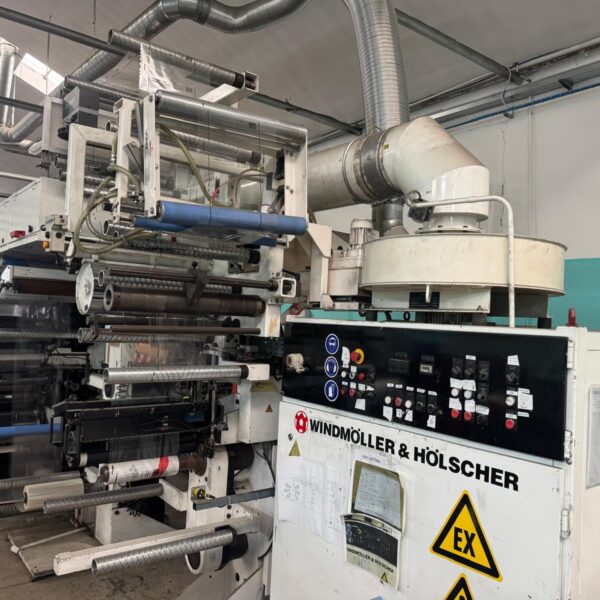
In the competitive world of paper bag manufacturing, efficient ink drying processes are vital to maintaining quality and speed. Flexographic printing—commonly known as flexo printing—demands precision and optimization, particularly regarding how ink is dried on various substrates. This is where Flexo Ink Drying Systems come into play, with two primary technologies leading the way: infrared (IR) and hot air drying systems. Understanding the advantages and limitations of each can drastically improve your production line’s effectiveness.
Infrared Drying: Quick and Effective
Infrared drying systems use radiant heat to evaporate the solvent in flexographic inks. One of the most significant advantages of IR drying is its speed. The targeted heating allows for immediate ink curing, reducing turnaround times and increasing overall production efficiency. This is particularly beneficial for high-volume runs or when leveraging short-run printing capabilities with variable artwork.
However, while IR systems promote quick drying times, they do come with certain limitations. Depending on the ink formulation and substrate used, inconsistencies may arise if the ink isn’t uniformly heated. Moreover, IR systems require careful calibration to avoid overheating, which can lead to ink curling or substrate damage.
Hot Air Drying: Versatile and Energy Efficient
On the other hand, hot air drying systems offer a robust solution suitable for a wide array of inks and substrates. By circulating hot air over the printed material, this method provides a more uniform drying process, minimizing the risk of defects related to uneven drying. Furthermore, hot air systems can often be adjusted to accommodate different types of inks and production requirements, making them versatile.
Energy efficiency is another aspect that makes hot air drying appealing. These systems can typically be optimized for lower operational costs, particularly when integrated into a larger production process. However, they may require longer drying times compared to infrared systems, which can potentially slow down production if not managed effectively.
Choosing the Right System for Your Production Needs
When deciding between infrared and hot air drying systems for your flexographic printing operation, consider several factors tailored to your production environment. Evaluate the types of inks you are using, the substrates involved, and your production rate needs. If speed and quick turnaround is essential, an infrared system may be the right choice; however, if you need flexibility and energy savings, hot air might be more suitable.
As the paper bag industry continues to evolve, investing in the right flexo ink drying system can lead to significant improvements in both product quality and operational efficiency. By carefully weighing the pros and cons of each option, manufacturers can make informed decisions that align with their specific needs and long-term goals.
If you have questions about our available machines, prices, or inventory, please contact us for more details—CBS Company is here to help you succeed in your production endeavors!