







Mastering Lamination of Paper with HDPE: Best Practices for Bonding


Mastering Lamination of Paper with HDPE: Best Practices for Bonding
Lamination is a crucial process in the manufacturing of paper bags, providing durability and moisture resistance. With the increasing use of High-Density Polyethylene (HDPE) in lamination, understanding the best practices for bonding can significantly impact the quality of your finished products. This blog outlines essential tips and techniques for effective lamination to ensure your paper bags achieve the desired strength and versatility.
Understanding the Benefits of HDPE in Lamination
Using HDPE for lamination processes offers numerous advantages that can enhance the functionality and appeal of paper bags. First, HDPE acts as a barrier against moisture, safeguarding the contents and maintaining the structural integrity of the bag. Additionally, this material is known for its high tensile strength, providing reinforced protection without adding excessive weight.
Moreover, HDPE is a recyclable material contributing to sustainability in packaging solutions. As the demand for eco-friendly products rises, using HDPE-laminated paper bags positions manufacturers favorably in an increasingly competitive market.
Best Practices for Laminating Paper with HDPE
To achieve the best results when laminating paper with HDPE, consistency and precision are key. Here are some best practices to consider:
1. **Surface Preparation**: Ensure both the paper and HDPE film surfaces are clean and free from dirt, oils, or contaminants. Properly prepared surfaces enhance adhesion, leading to better bonding.
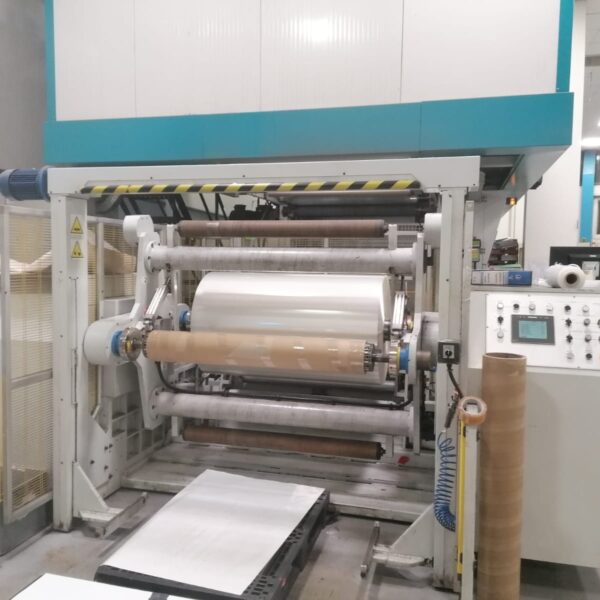
2. **Temperature and Pressure Settings**: Always adjust the temperature and pressure settings on your lamination machine according to the specifications of your materials. Too high a temperature can cause the paper to warp, while inadequate pressure may lead to weak bonds.
3. **Adhesive Application**: The type and application of adhesive play a significant role in bonding quality. Use adhesives that are compatible with both the paper and HDPE. Consistent adhesive application is crucial to ensure even bonding.
By adhering to these practices, manufacturers can maximize the lifespan and reliability of their laminated paper bags while minimizing waste and production issues.
Common Challenges and How to Overcome Them
Even with best practices in place, challenges can still arise during the lamination process. Common issues include bubbling, delamination, and inconsistent adhesion. To tackle these problems:
– **Incorporate Regular Maintenance**: Ensure regular maintenance of your lamination equipment to avoid technical glitches that could lead to errors during the bonding process.
– **Test Materials**: It’s wise to run test batches before going into full production. This helps identify any compatibility issues between materials before they affect your output.
By proactively addressing these challenges, you can enhance the efficiency of your operations and produce high-quality laminated paper bags that meet market demands.
Conclusion
Mastering the lamination of paper with HDPE requires a commitment to best practices and continuous improvement in processes. By understanding the benefits of HDPE, employing recommended techniques, and tackling challenges head-on, manufacturers can boost their product quality and operational efficiency.
If you have any questions regarding our range of new and used paper bag machines, including availability and pricing, please contact us!