



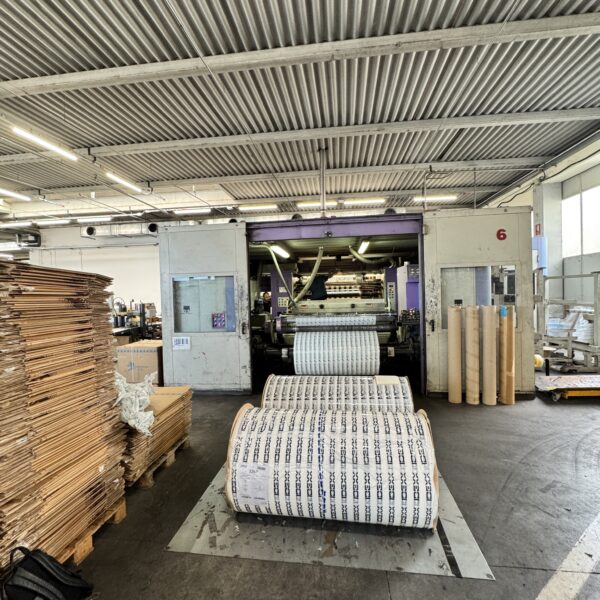




Offset Printing Plate Care: Avoiding Costly Downtime

Understanding Offset Printing Plates
Offset printing plates are essential components in the process of producing high-quality printed materials, such as paper bags. These plates transfer ink onto paper, allowing for precise and vibrant designs. However, the longevity and efficiency of these plates can significantly impact production timelines and costs. Proper care and maintenance of offset printing plates are imperative to ensure maximum productivity and avoid costly downtime.
The care of these plates goes beyond mere cleaning; it includes the use of suitable inks, regular inspections, and proper storage methods. Understanding the specific requirements for your plates and inks will help you optimize their performance and lifespan. Additionally, knowledge of common wear and tear indicators can prevent unexpected production halts.
Cleaning Techniques for Longevity
Maintaining cleanliness is vital in preserving the integrity of offset printing plates. Regular cleaning prevents ink build-up, which can lead to misprints or delays in production. Utilize recommended cleaning materials, such as non-abrasive solutions, and ensure a meticulous approach when handling the plates.
Establish a routine cleaning schedule that aligns with your production frequency. This practice not only prolongs the life of your plates but also aids in enhancing print quality. Implementing consistent cleaning procedures can ultimately lead to a more efficient workflow in your paper bag manufacturing process.
Proper Handling and Storage
How you handle and store your offset printing plates plays a critical role in their longevity and overall performance. Always handle the plates with care to avoid scratches and dents that could affect printing quality. Limiting exposure to extreme temperatures and humidity levels is also essential for maintaining the plates’ functionality.
When not in use, store plates in a climate-controlled environment, ideally in protective sleeves or boxes specifically designed for such materials. Proper storage will minimize wear and ensure that plates remain in pristine condition, ready for your next production run.
Regular Inspections and Monitoring
In order to avoid costly downtime, regular inspections of your offset printing plates are paramount. Monitor for any signs of damage or deterioration, as early detection can save you from potential production issues. Be vigilant about assessing the quality of your prints, as inconsistencies may indicate a problem with your plates.
Establishing a periodic audit schedule will help manage your equipment and maintain printing efficiency. By prioritizing inspections, you can identify issues sooner rather than later, which can significantly reduce the risk of unexpected delays in your manufacturing process.
Investing in Quality Materials
Lastly, investing in high-quality offset printing plates and supplies can significantly influence the overall efficiency of your printing process. Quality materials tend to withstand the rigors of production better and yield superior results. This strategy not only enhances print quality but also minimizes the need for frequent replacements.
Evaluate your current materials and consider making upgrades where necessary. Though the initial investment may be higher, the long-term savings from reduced downtime and improved productivity can justify the costs. Furthermore, aligning yourself with reputable suppliers ensures that you’re accessing top-tier materials that are essential for effective production.
For any inquiries about our machines, availability, or pricing, please contact CBS Company. We are here to support your paper bag manufacturing needs!