




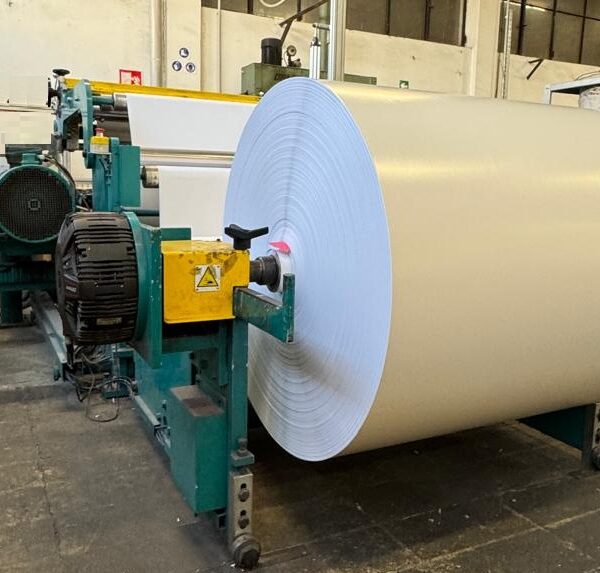



Reel Splicing Techniques for Continuous Runs

Understanding Reel Splicing Techniques for Continuous Runs
In the paper bag manufacturing industry, efficient and seamless operations are crucial for maintaining productivity and reducing costs. One of the fundamental processes that can significantly affect output is reel splicing. This technique enables the continuous feeding of paper rolls into machines, ensuring that workflows remain unhindered even during material changeovers. Understanding the various reel splicing techniques is essential for manufacturers aiming to optimize their production processes and minimize downtime.
Common Reel Splicing Techniques
There are several widely used reel splicing techniques, each offering unique advantages for continuous runs. Some of the most common include:
1. **Butt Splicing:** This technique involves cutting the ends of two paper rolls, aligning them, and then taping or gluing them together. Butt splicing is effective for generating a strong bond and is often the preferred choice for lightweight paper materials.
2. **Overlap Splicing:** In overlap splicing, a new roll is placed under the old roll, creating an overlap that is then taped or glued. This technique is beneficial for thicker materials as it provides a reliable bond while maintaining steady material flow.
3. **Hot Melt Splicing:** This modern technique employs hot melt adhesives to bond the ends of paper rolls. With fast setting times and strong adhesion, hot melt splicing is ideal for high-speed production lines, allowing for quick transitions without interrupting the workflow.
Choosing the Right Splicing Method for Your Operation
Selecting the appropriate reel splicing technique is critical for optimizing production efficiency. Factors to consider include the type of paper material, machine speed, and the desired quality of the finished product. For instance, manufacturers handling thicker papers may prefer overlap or hot melt splicing, which provide greater durability compared to butt splicing.
It’s also vital to implement proper training and maintenance practices for operators involved in the splicing process. This ensures a smooth transition between rolls and minimizes downtime, ultimately contributing to the overall productivity of the paper bag manufacturing operation.
Enhancing Efficiency with Automatic Reel Splicers
For manufacturers looking to enhance efficiency further, investing in automatic reel splicers can be a game-changer. These machines automate the splicing process, allowing for quick and precise transitions between rolls without manual intervention. As a result, they can significantly reduce downtime, increase output, and improve the overall consistency and quality of paper bags produced.
Automatic reel splicers come equipped with advanced sensors and control systems that monitor splicing accuracy and operation speed, ensuring seamless transitions and optimizing production runs. Integrating such technology can yield considerable long-term savings and efficiency gains in the manufacturing process.
Conclusion
In summary, mastering reel splicing techniques is integral to achieving continuous runs in the paper bag manufacturing industry. By selecting the appropriate splicing method and embracing modern technology, manufacturers can significantly enhance their production efficiency and product quality.
For any questions about the paper bag machines we offer, including availability and pricing, please contact us today at CBS Company.