








Paper + HDPE Lamination Techniques


“`html
Understanding Paper + HDPE Lamination Techniques
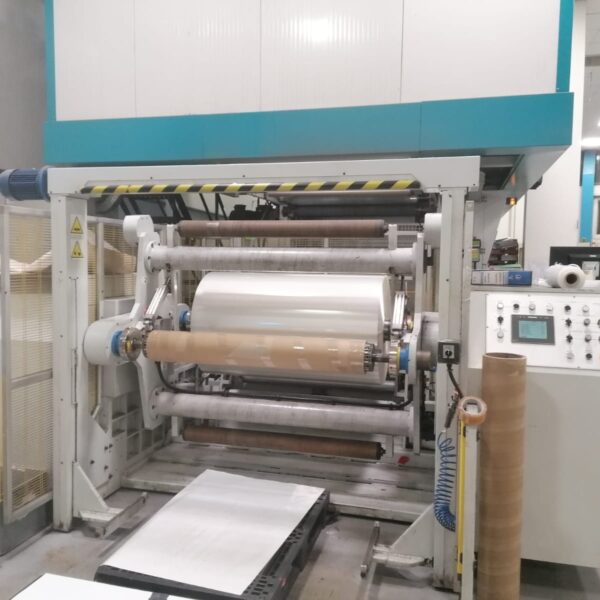
In the world of packaging, the combination of paper and HDPE (High-Density Polyethylene) has gained traction as a durable, environmentally-friendly choice. Lamination techniques involving these materials provide enhanced barrier properties, making products resist moisture, grease, and punctures. Companies in the paper bag manufacturing industry are increasingly adopting these methods to meet consumer demand for robust packaging solutions.
Utilizing lamination techniques not only enhances the aesthetic appeal of paper bags but also significantly extends their shelf life. The process involves adhering a thin layer of HDPE film onto the paper substrate, creating a composite material that offers superior strength and flexibility. This technique is especially beneficial for manufacturers aiming to produce high-quality bags for a variety of uses, from retail to food services.
Benefits of Paper + HDPE Lamination
One of the primary benefits of paper and HDPE lamination is the ability to create bags that are both lightweight and strong. These laminated bags can hold heavier items without compromising their structural integrity. Additionally, the moisture resistance provided by HDPE makes these bags ideal for packaging perishable goods and items exposed to varying environmental conditions.
Furthermore, this lamination technique allows for vibrant designs and high-quality printing, boosting brand visibility. As businesses strive for sustainability, laminated paper bags can also be made from recyclable materials, thus enhancing the overall eco-friendliness of the product. This combination of durability and sustainability is a significant selling point for consumers increasingly conscious of their environmental impact.
Implementing Lamination Techniques in Manufacturing
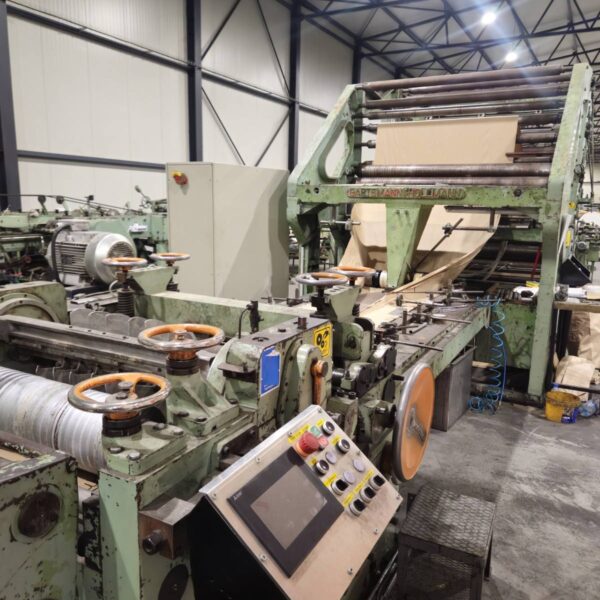
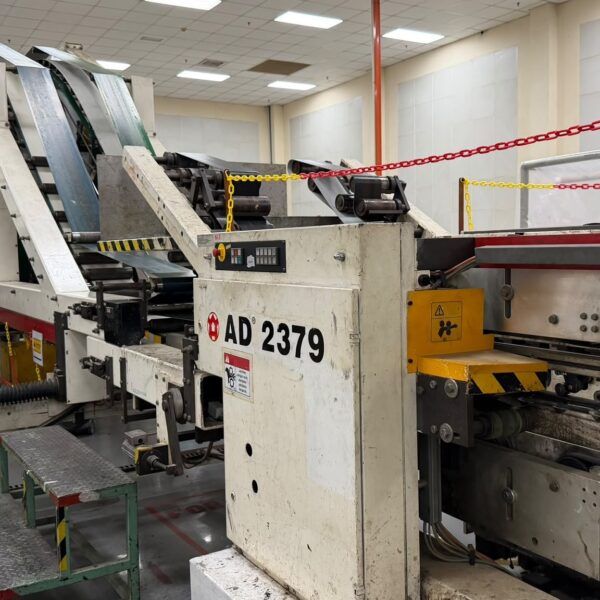
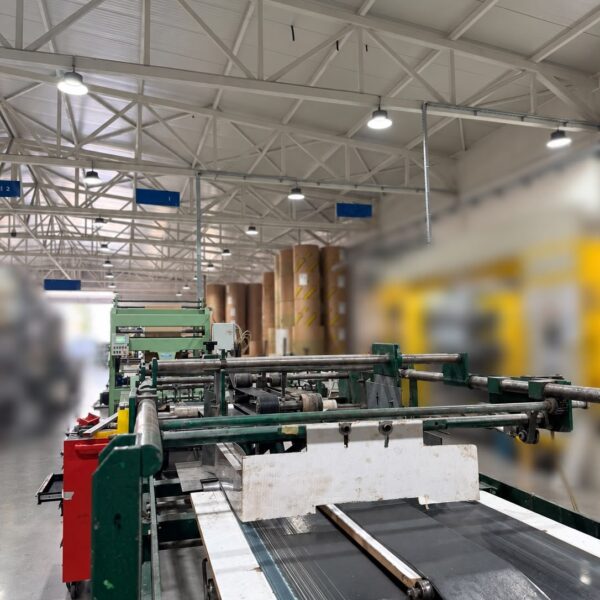
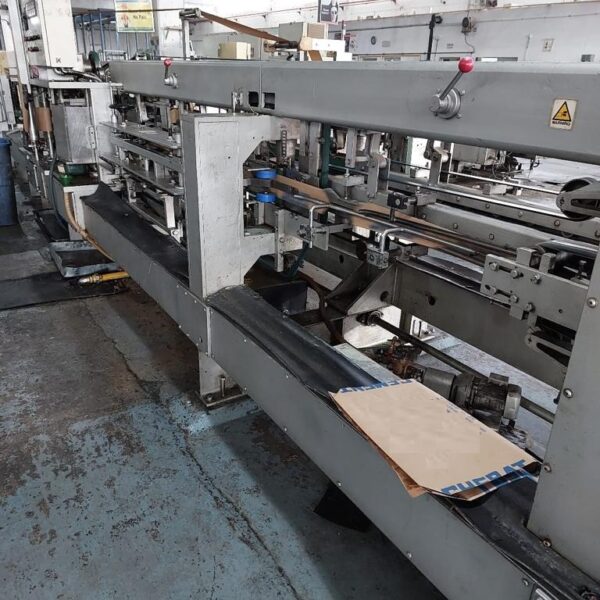
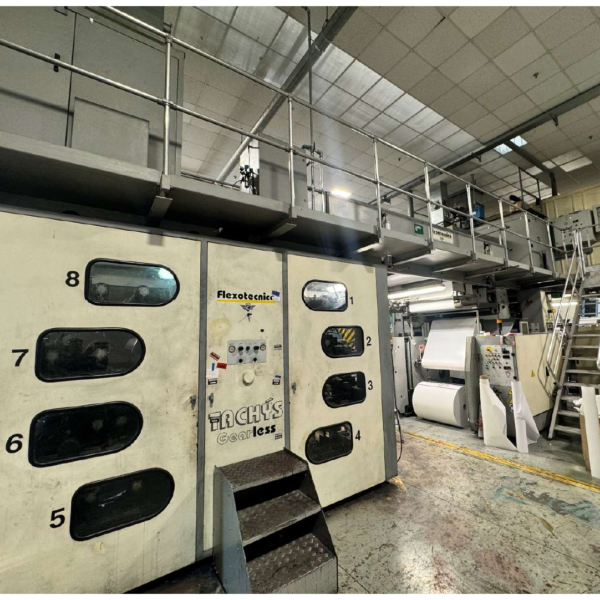
For manufacturers looking to implement paper + HDPE lamination techniques, investing in state-of-the-art machinery is crucial. Companies like CBS provide a range of new and used paper bag machines tailored to meet varying production demands. These machines are designed to ensure optimal adhesion and can accommodate different bag sizes and styles, allowing manufacturers greater flexibility in production.
When considering the introduction of lamination techniques, it’s essential for manufacturers to evaluate their production capacities and the specific needs of their target market. Consulting with industry experts can help streamline this transition, ensuring that the lamination process is cost-effective and efficient. Proper training and understanding of machine operations are also critical for maximizing production output and maintaining high quality.
Conclusion
The integration of paper + HDPE lamination techniques in the manufacturing of paper bags offers numerous advantages, including enhanced durability, moisture resistance, and aesthetic appeal. As the market continues to lean towards sustainable and efficient packaging solutions, these techniques present a viable option for manufacturers. If you’re looking for reliable machinery to implement lamination processes in your operations, CBS Company is here to assist you. Please contact us for any questions about machines we have, availability, and pricing.
“`